
Culture & Traditions
The 7 Grandfather Teachings
Within the Anishinaabe teachings, the 7 Grandfather teachings serve as a foundations for our way of life and how we remain connected to spirit and land. The 7 teachings are symbolized by seven animals, each carrying unique teachings that strengthen our bond with the natural world. Through the gifts of these animals, we are shown the values and responsibilities of living in harmony with Mother Earth.

Resepct
The Buffalo
Respect teaches us to live with generosity and sharing, just as the buffalo gave everything for itself so the people could live.

Love
The Eagle
Love means honoring the creator, land, ourselves, and one another. The eagle teaches us that true vision is rooted in love, guided by empathy, compassion, and understanding. Through the Creator's unconditional love, we are gifted with vision and the ability to bring it to life.

Courage
The Bear
To live with courage is to walk from the heart and to honor who we truly are. The bear represents this, as a mother bear will sacrifice herself before allowing hard to come to her cubs. Courage, is doing what is right in the face of adversity, for the children and future generations to come.

Truth
The Turtle
Truth is to walk in harmony with the laws of creation, to live so that our worlds, hearts, and actions are as one. The turtle teaches us this, carrying the teachings of life on its shell since the beginning of time.

Wisdon
The Beaver
Wisdom is using the gifts the Creator has given us for the good of all. The beaver teaches us this, for it works with care and skill to build lodges and shape the land so they may live well.

Humility
The Wolf
Humility is recognizing our place within creation, neither above nor below others. The wolf symbolizes this by their way of life within the pack where survival depends on mutual respect and shared responsibility and together they thrive.
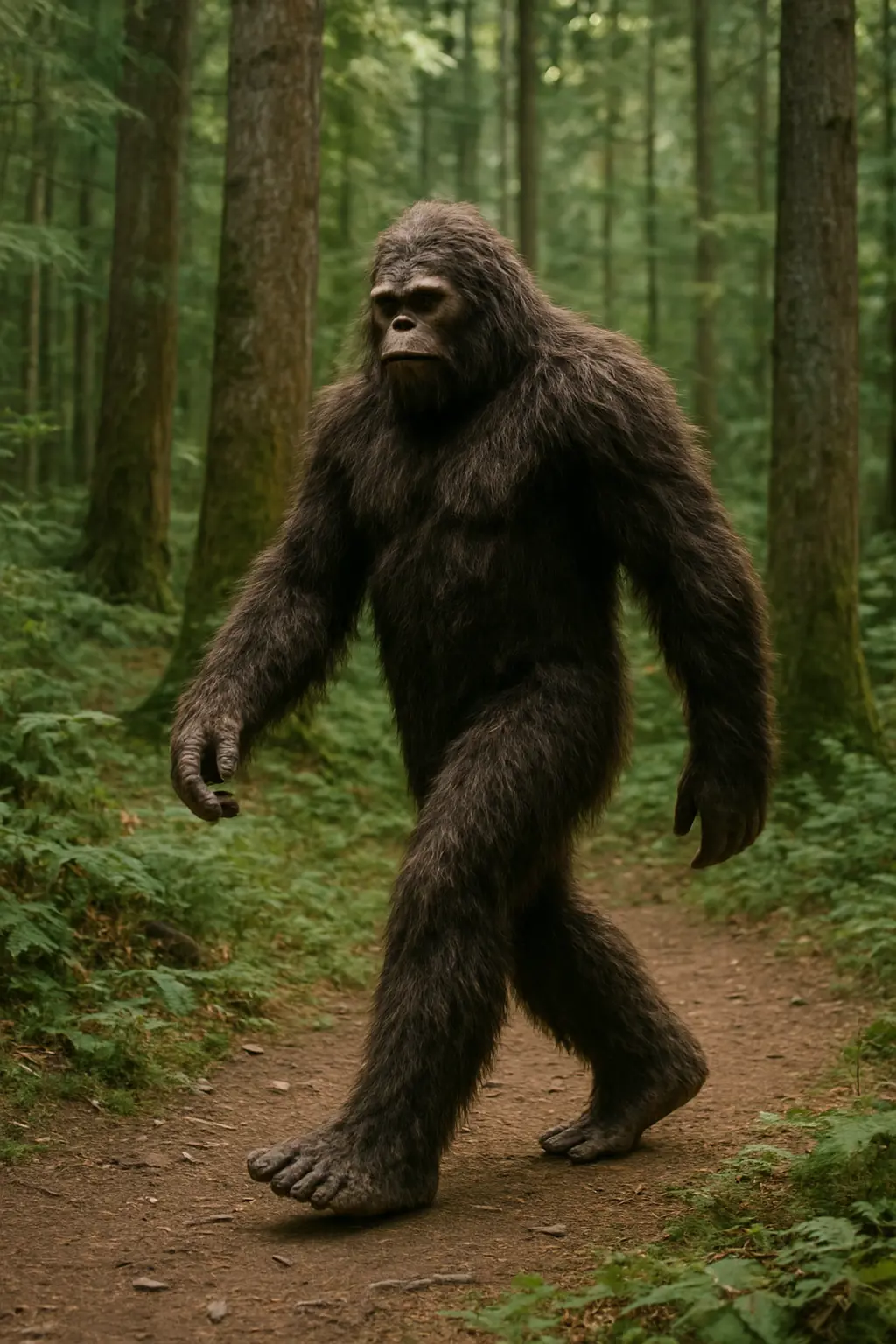
Honesty
The Sabe
Honesty is being truthful with ourselves and others. The sabe teaches us this, showing us to be hoes is simply to be who we were created to be, nothing more and nothing less.
The Thirteen Moons
The Anishinaabe culture teaches us that a piece of mother earth was put on the turtles back after the great flood, Nanabozho saw that the turtle had thirteen sections, which he compared to the thirteen moons of the year.
The thirteen moons explains the cycle of life and nature.
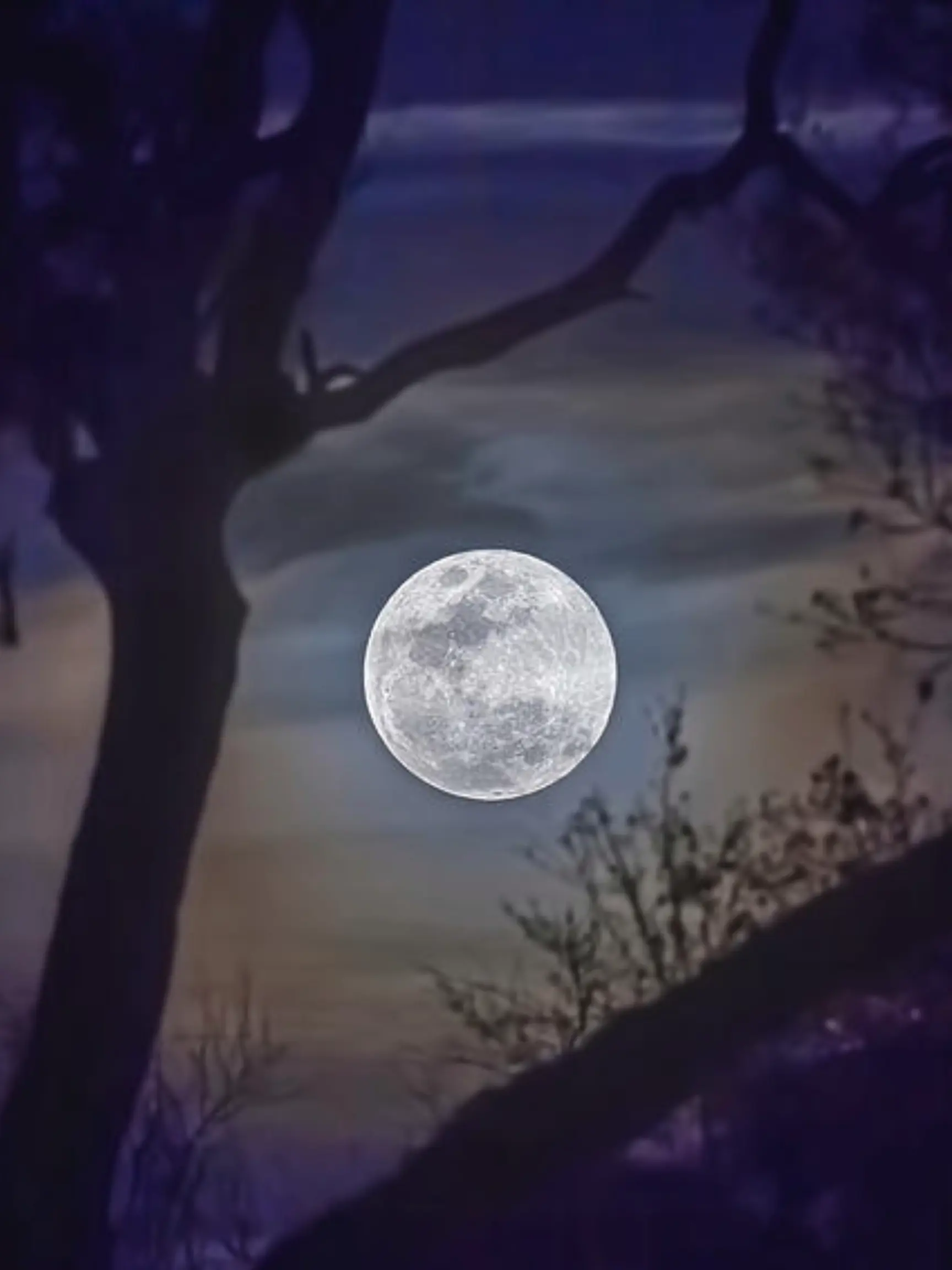
January - Spirit Moon
Kenozidj Kizis - Mindioo Kizis
The first moon of creation is Spirit Moon, and it is manifested through the Northern Lights. It is a time to honor the silence and realize our place within all Great Mystery’s creations

February - Bear Moon
Akakodjish Kizis - Makwa Kizis
The second moon of Creation is the Bear Moon, when we honor the vision quest that began in the fall. During this time, we discover how to see beyond reality and to communicate through energy rather than hound.
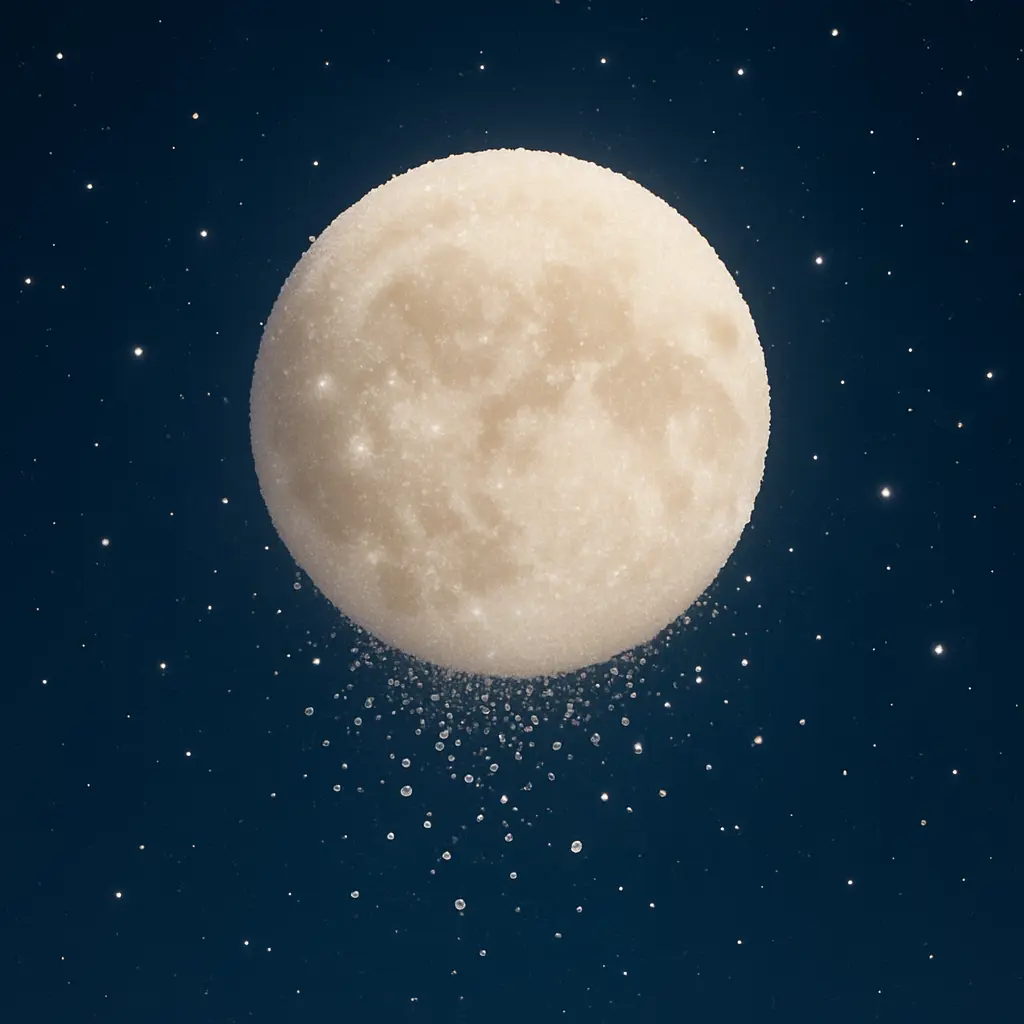
March - Sugar Moon
Niki Kizis - Zisbakodoke Kizis
As the maple sap begins to run, we learn of one of the main medicines given to the Anishinaabe which balance our blood and heals us. During this time, we are encouraged to balance out lives as we would our blood sugar levels.
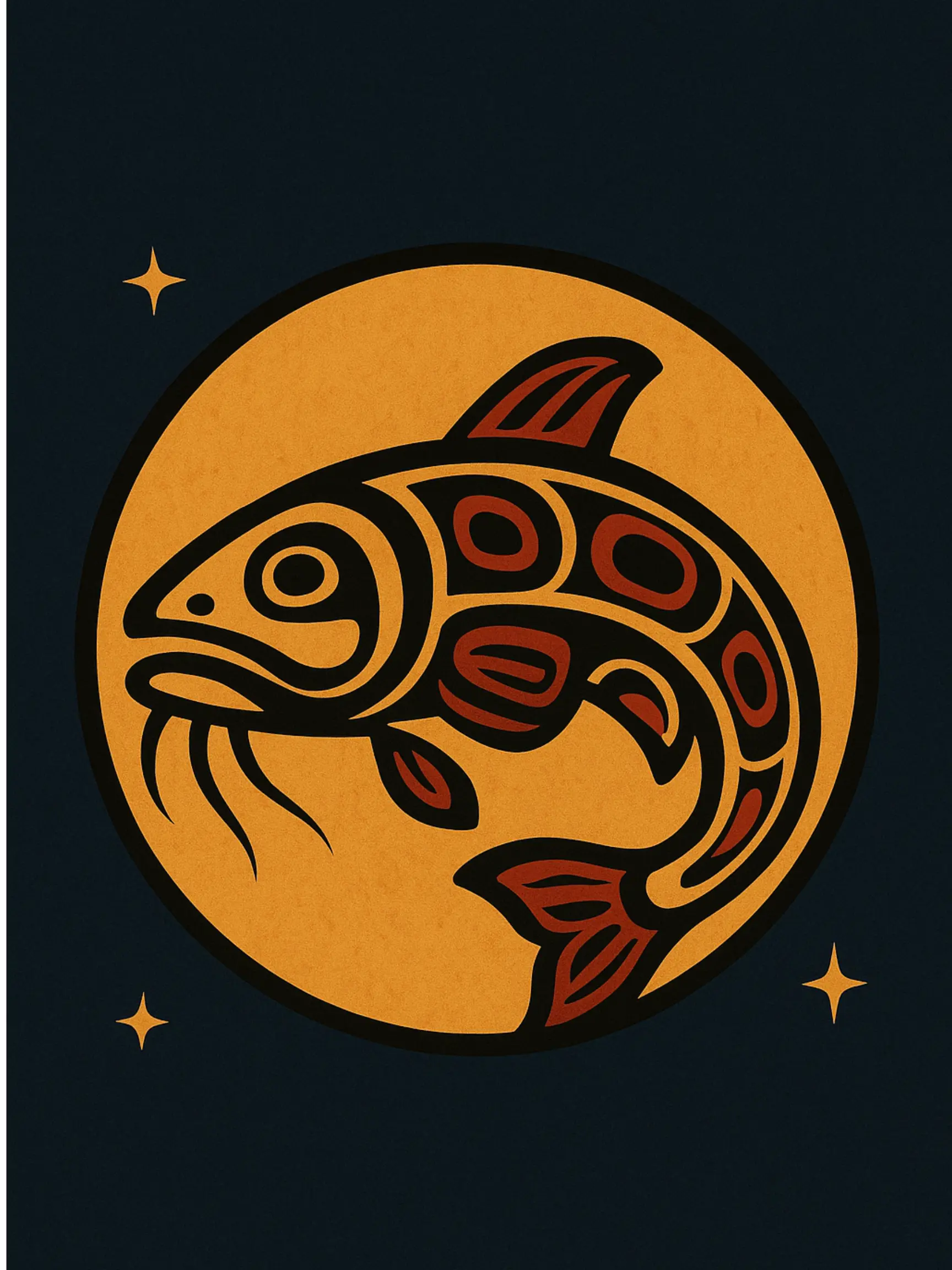
April - Sucker Moon
Ka-wasakotodj - Namebine – Kizis
When sucker goes to the Spirit World to receive cleansing teachings for this world. When it returns to this realm, it purifies a path for the Spirits and cleanses all our water begins, during this time we can learn to become healed healers.
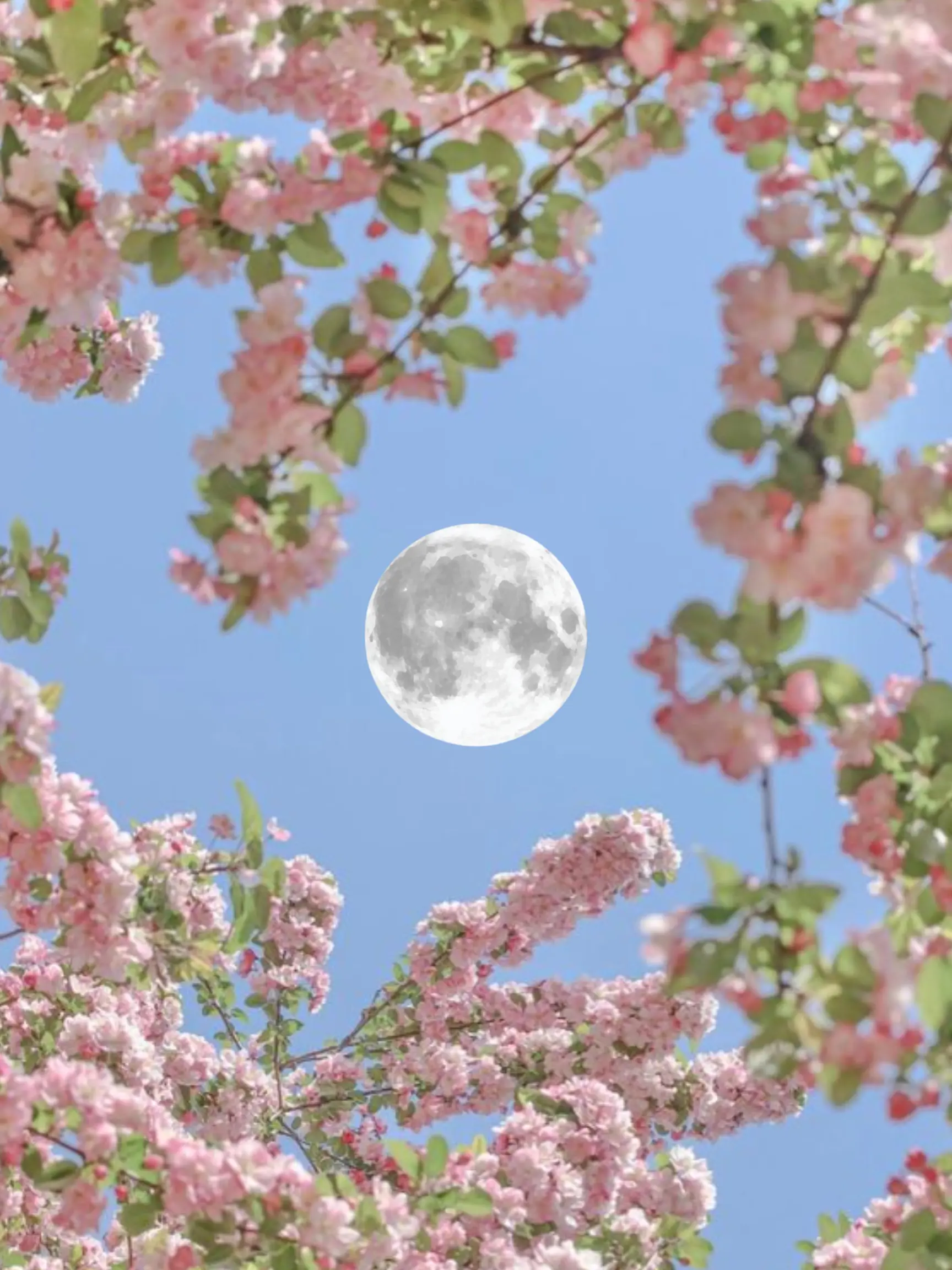
May - Flower Moon
Wabigon Kizis - Wawaskone Kizis
The flower moon is when all plants display their Spirit sides for all the world to see. This life-giving energy is one of the most powerful healing medicines on Mother Earth. During this moon we are encourages to explore our own Spiritual essence.
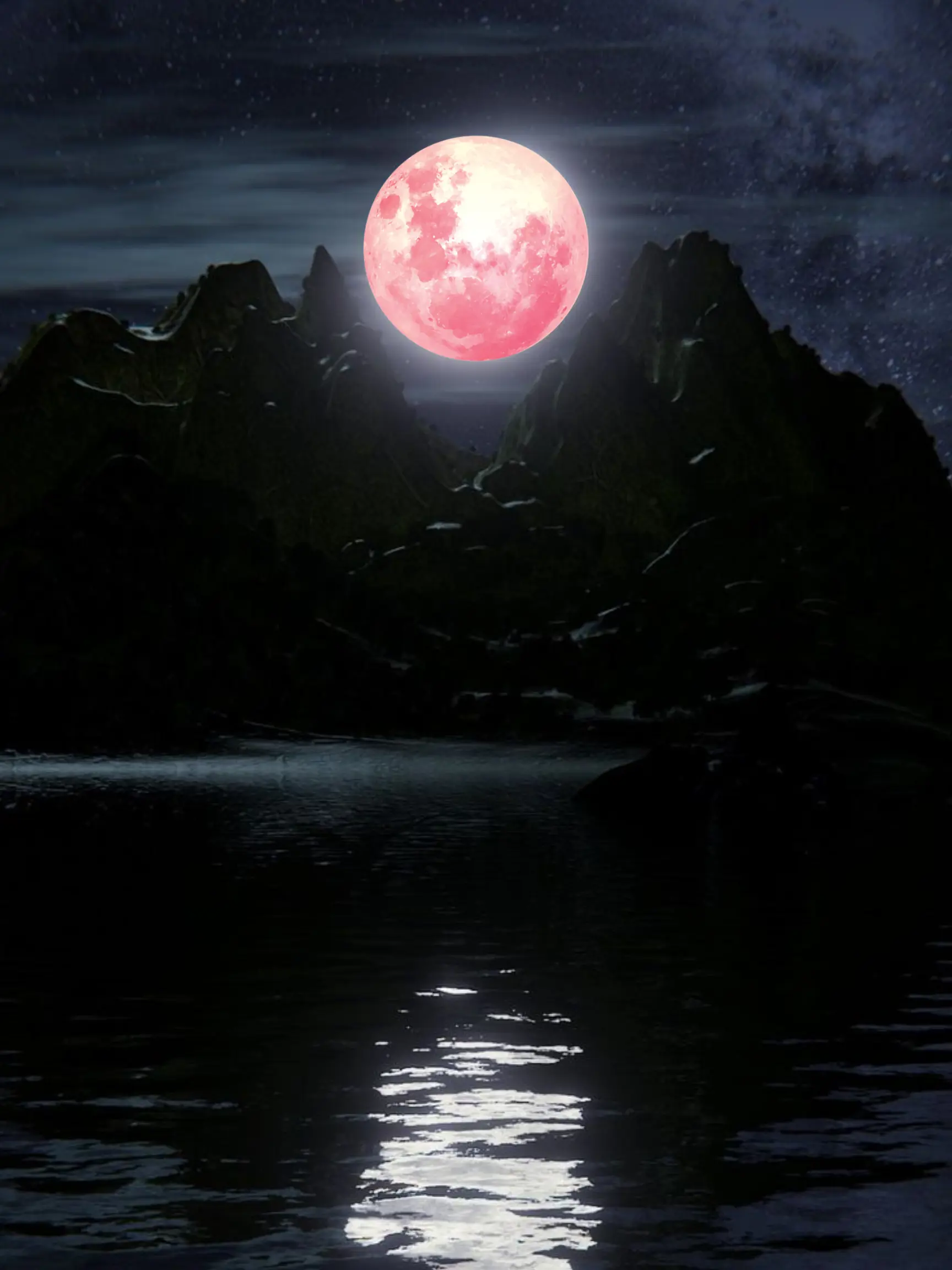
June - Strawberry Moon
Obeyimin Kizis - Ode-Mini Kizis
The medicine of the strawberry is reconciliation, it was during this moon cycle that communities usually held their annual feasts, welcoming everyone home, regardless of their differences over the past year, and letting go of judgement and/or self-righteousness.
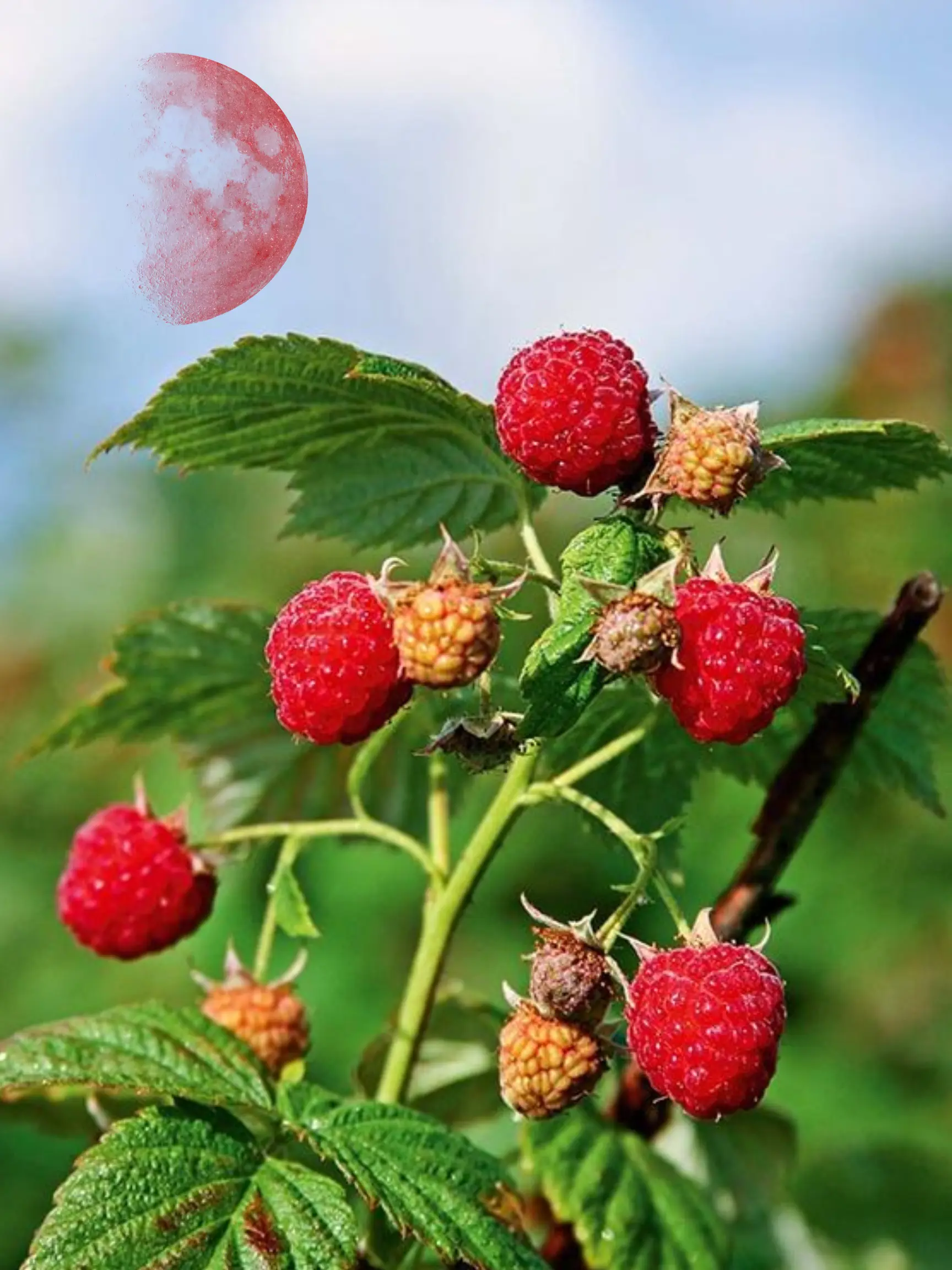
July - Raspberry Moon
Miskomini Kizis - Mskomini-Kizis
The raspberry moon is when great changes begin, by learning gentleness and kindness, we may pass through the thorns of its bush and harvest its fruit, knowledge that will help with raising our families.
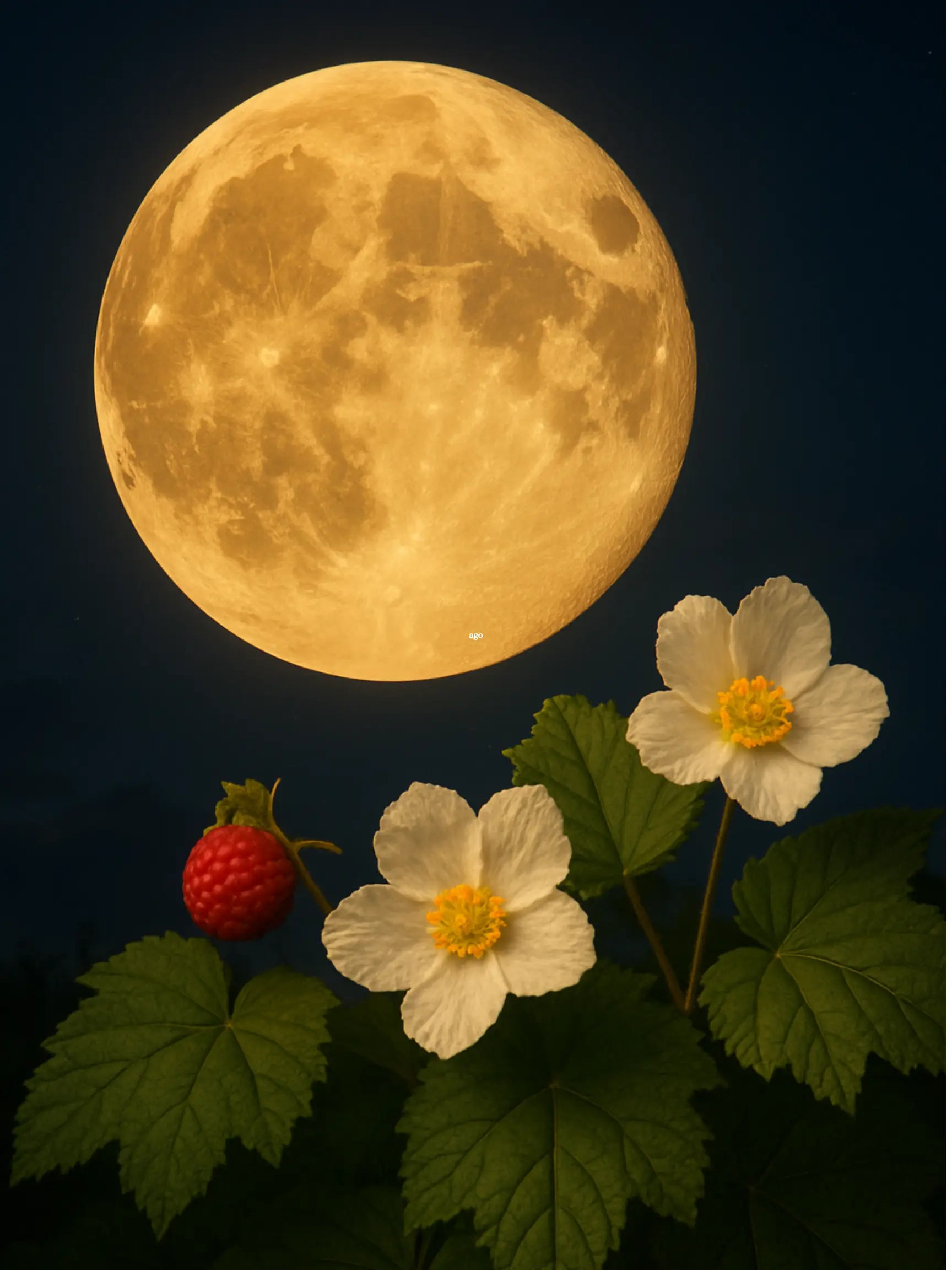
August - Thimbleberry Moon
Aditagagomin Kizis - Datkaagmini Kizis
When we honor the Thimbleberry which produces an abundance of fruit once every three years. It was one of the first plants put on mother earth, and its purpose is to protect the Sacred Circle of Life by allowing us to recognize and understand the teachings that come from the Spirit World.
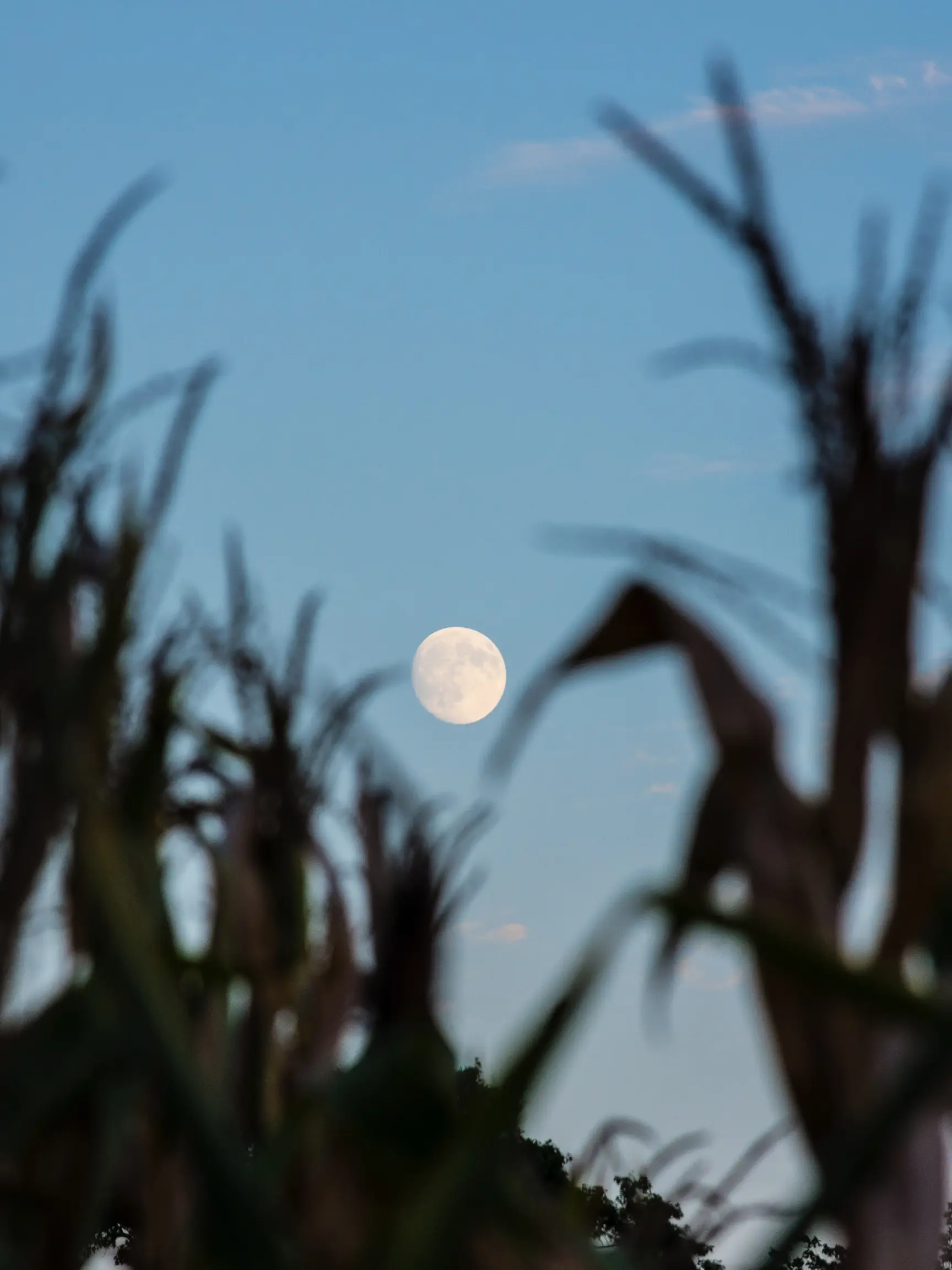
September – Corn Moon
Kabone Kizis - Mdaamini Kizis
The corn moon is the time we learn about the cycle of life, each cob of corn had thirteen rows of multicolored seeds which represent all the spirits waiting to begin their Earth Walk.

October - Falling Leaves Moon
Manegosi Kizis - Binaakew Kizis
The falling leaves moon is a time when Mother Earth is honored with the grandest of colors. As all the creations make their offerings to her, we become aware of all the miracles of creation before us and our spiritual energies are once again awakened.
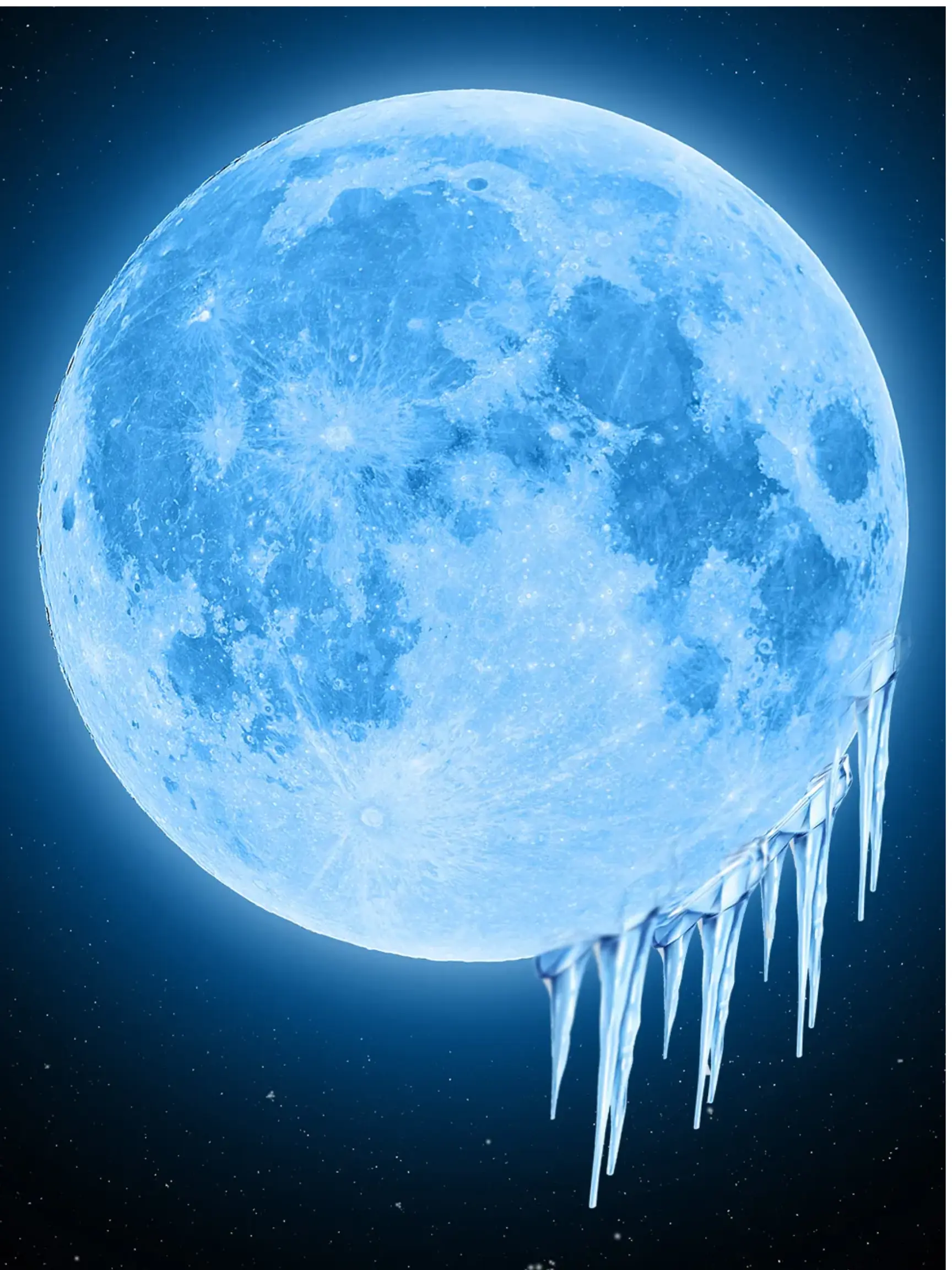
November - Freezing Moon
Adikameg Kizis - Bashkakodini Kizis
The Freezing Moon is a time when the Star Nation is closest to us as every creature is preparing for the upcoming fasting grounds, we are reminded to prepare ourselves for our spiritual path by learning the sacred teachings and songs that will sustain us.

December - Little Spirit Moon
Pidji-Pibon Kizis - Mnidoo-gisons Kizis
The little spirit moon is a time of healing, by receiving both vision of the spirits and good health we may walk the red road with the purest intentions and we can share this most positive energy with out families and friends for the good of all.
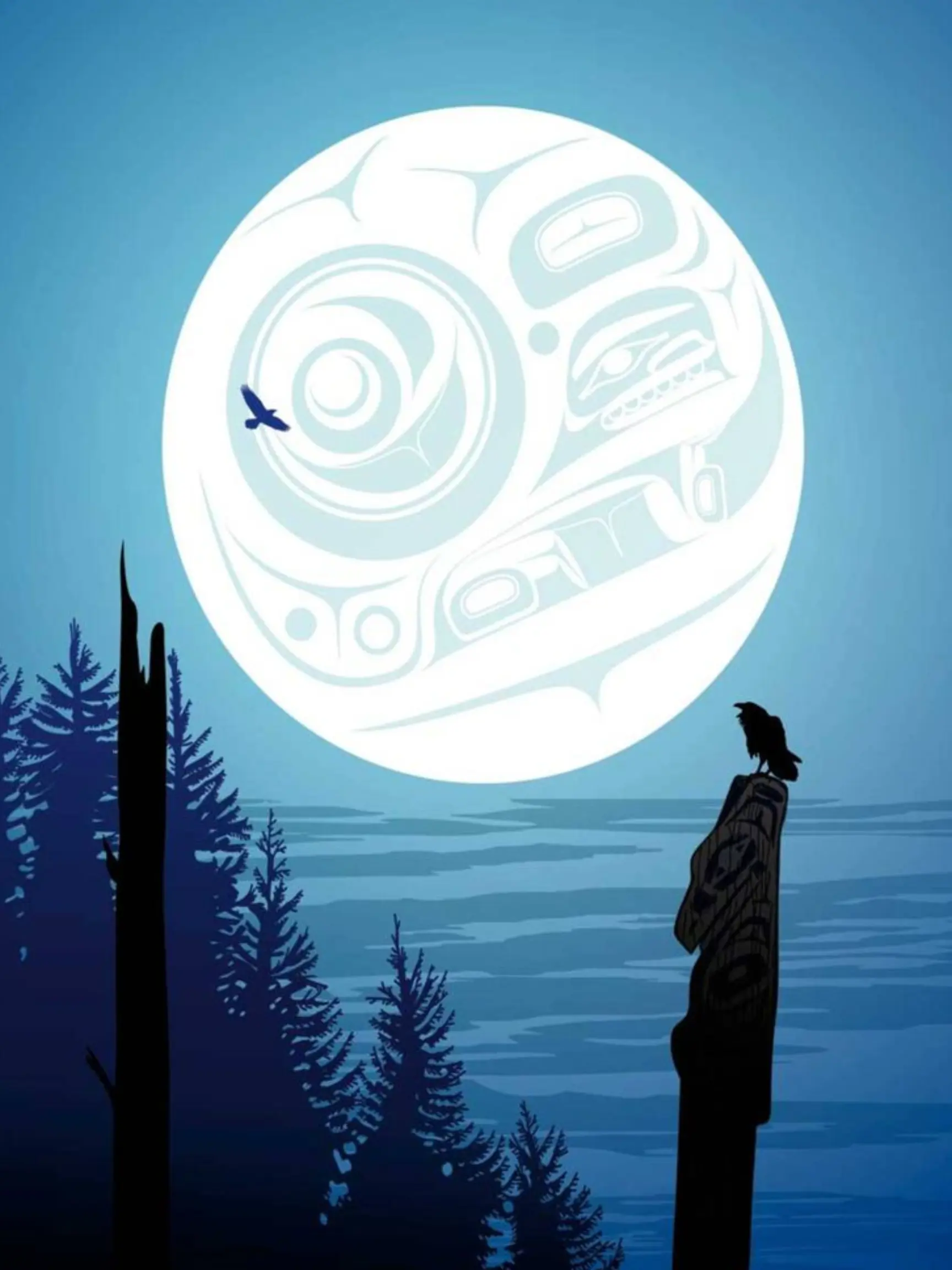
Big Spirit Moon
Gchi-mnidoo Kizis
The big spirit moons purpose is to purify us and to health all of creation. We receive instructions on the healing powers of the universe and transform into our own vision of the truth.
The Medicine Wheel
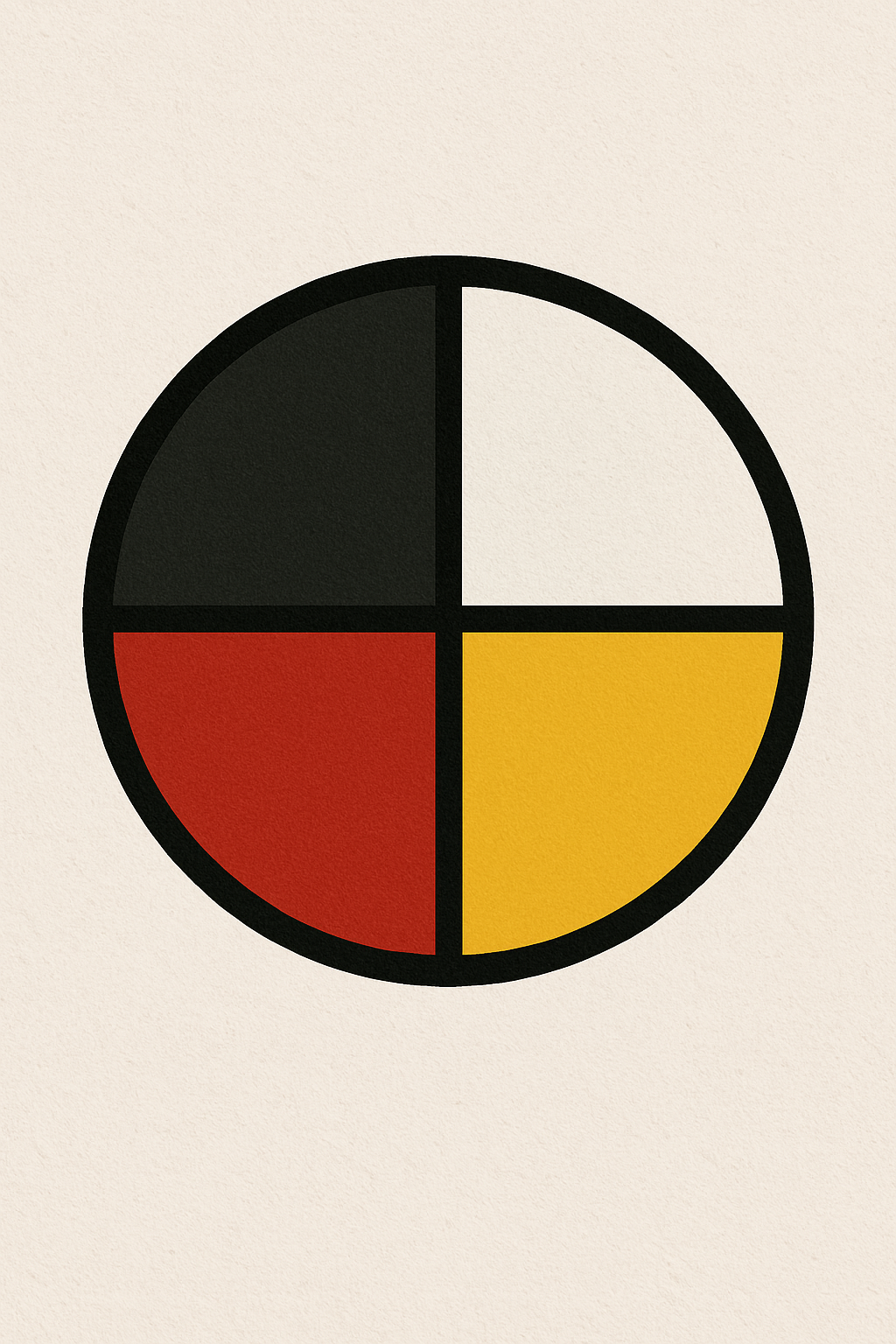
The circle is a scared symbol within the Anishinaabe way of life. The circle reflects the cycles of existence, the interconnection of all beings, and the idea of completeness. With no starting point and no ending point, the circle remains a continuous flow of spirit, energy, and the ongoing path of growth and change.
The medicine wheel uses the scared circle to guide us towards balance within ourselves and harmony within the world around us. Each of the four directions represent a different part of our being. While the center of the circle presents the heart of the journey, it is where we connect with our inner purpose, our spirit and the creator.
The four colors - black, red, yellow, and white hold important teachings that represent diversity, balance, and the gifts of each direction:
East – Yellow (mind ∙ infant ∙ Wind ∙Spring)
· Teachings:
-
- Yellow: Representing the rising sun.
- East – The direction of the rising sun and representing new beginnings
- Mind – represents the clarity of our thoughts.
- Infant – Where new beginnings and potential take root.
- Wind – Teaches us movement and breath.
- Spring – The season of renewal, growth, and planting seeds
South – Red (Emotions ∙ Youth ∙ Fire ∙ Summer)
Teachings:
-
- Red: The color of life, blood, vitality, representing passion, love, and the energy that sustains us.
- South – The direction of growth, and warmth. Teaching us the importance of taking action, embracing our passions, and developing intelligence.
- Emotion: Shows us the value of acting, embracing our passions, and the growth of emotional intelligence.
- Youth – A time of learning, playing, and discovery.
- Fire – Representing warmth, energy, and transformation
- Summer – A time when life is strong, active, and thriving, reminding us to live with energy and appreciation.
West – Black (Body ∙ Adulthood ∙ Water ∙ Fall)
Teachings:
-
- Black: The color of the night sky, the mystery of beginnings, and the place where breams and visions are born.
- West – Carries the teachings of introspection and reflection which is aligned with the element of water
- Body: The body is the vessel which carries us through life.
- Adulthood – A time of growth, self-discovery, and responsibility. A time when we begin to make choices that shape our path of life.
- Water – Shows us to move with flexibility and to honor our emotions.
- Autumn – A time of change, gathering, preparation and acknowledging the cycle change.
North – White (Spirit ∙ Elder ∙ Earth ∙Winter)
Teachings:
-
- White: Representing the snow in the winter and the stillness that comes with it.
- North: the direction of wisdom and experience. Teaching us the importance of listening, sharing our knowledge and embracing the natural cycles of life and death.
- Spirit: The north reminds us of our spiritual roots and our connection to all living beings and teaches us to honor the sacredness of life.
- Elder: The stage of life where wisdom is gathered and shared. Elders carry teachings and stories that help guide the community and ensure traditions can continue.
- Earth: Teaches us the importance of being rooted, steady, and our connection to Mother Earth.
- Winter: During this season the world slows down, we are then given the opportunity to listen, learn from silence, and connect to the ancestral wisdom.
The source of the word Algonquin is unclear. Some say Algonquin is a name given to us by the French settlers from the Maliseet word, elakómkwik, which means,”they are our relatives/allies.” Others say Algonquin means “at the place of spearing fishes and eels from the bow of a canoe.”
We continue to use Algonquin to describe ourselves and in our language we call ourselves, Omàmiwinini, meaning, “down-river people”. Another common term used to describe ourselves is Anishnabek, meaning “original peoples” or “the good humans.” Other First Nation people also refer to themselves as Anishnabek, such as the Odawa and Ojibwe.
Algonquins of Pikwakanagan is the only federally registered Algonquin community in Ontario. In Quebec, there are nine Algonquin communities: Abitibiwinni, Timiskaming, Eagle Village (Kebaouek), Wolf Lake, Long Point (Winneway), Kitcisakik (Grand Lac), Lac Simon, Mitcikinabik Inik (Algonquins of Barriere Lake) and Kitigan Zibi (River Desert) First Nations.
Philosophy
Our philosophy is to only take what you need; give in order to receive; recognize that you are an equal part of all that is; be thankful for everything that you get. Many teachings relate to the Creator. Our teachings are not rigid and can be interpreted in different ways. It is encouraged that each person develops their own special relationship with the Creator. It is this difference, this uniqueness with the Creator that creates meaning.
The Anishinabe Way to Live:
- Treat the earth, and all that dwell upon it, with respect
- Remain close to the Creator
- Show great respect for your fellow beings
- Work together for the benefit of all mankind
- Give assistance and kindness whenever needed
- Do what you know is right
- Look after the well-being of mind and body
- Dedicate a share of your efforts to the greater good
- Be truthful and honest at all times
- Take full responsibility for your actions
Contact Us
1657A Mishomis Inamo
Pikwakanagan, ON, Canada
K0J 1X0
Sign up to our News and Notices
Stay up to date on our activities, events, programs and operations by subscribing to our News and Notices.